samedi 3 octobre 2026

Here’s How to Clean Your Toilet Tank

by


Let’s be honest — when was the last time you cleaned your toilet tank? If the answer is “never,” don’t feel bad. You’re definitely not alone.

“Most people forget about the toilet tank until the stains or smells show up to the party,” says Ryan Knoll, owner of Tidy Casa. “By then, it’s already a mess.”

And that makes sense. Over time, germs, mold, and minerals from hard water quietly build up in there. Before you know it, those little intruders can corrode the metal parts, jam up the flaps, and cause weak flushes, broken parts, leaks, and bad odors.

Here’s something else to think about: “Let’s say you clean your toilet bowl today but haven’t cleaned your tank in a while — all that bacteria built up in the tank will also go down into the toilet bowl, causing stains and smells,” says Constantin Geambasu, owner of Water Rehab.

The good


see continues on the next page

[page]


news? Cleaning your toilet tank only takes a couple of minutes, especially if you keep up with it. So let’s walk through it together.

How Often Should You Clean Your Toilet Tank?

Your toilet bowl needs regular, thorough cleaning — that’s just life. But your tank? It’s a little more low-maintenance.

Twice a year is perfect. Add it to your spring cleaning checklist, then do it again in the fall. That’s it!

Cleaning your tank regularly is just one more simple step in maintaining your toilet. It helps keep rust and corrosion from building up on the internal parts, which means your toilet lasts longer. And as a bonus, it’s one less odor you have to worry about in your bathroom.

What You’ll Need

Rubber gloves

A scrub brush with a long handle

A sponge

Disinfectant

White vinegar (optional)

How to Clean Your Toilet Tank

Step 1: Empty the tank.

Find


Trying to Lose Weight, She Ate Eggs at Every Meal for 5 Months. Her Medical Checkup Left Doctors Stunned

by


You’ve probably heard the advice at some point in your life: “Don’t eat too many eggs—they’re bad for your cholesterol.” For decades, eggs were treated with suspicion, and many people limited themselves to just a few per week.

But one woman decided to test that advice in a very personal way. She ate eggs at every single meal—breakfast, lunch, and dinner—for five months straight. And when she went in for her routine checkup, she braced herself for a lecture from her doctor.

Instead, the results left her doctor genuinely surprised.

The Experiment: Five Months of Eggs at Every Meal

She didn’t set out to make a statement or prove anyone wrong. She simply started eating eggs as a convenient, affordable source of protein.

Breakfast: Omelets or scrambled eggs

Lunch: Egg salad or a frittata

Dinner: Quiche, shakshuka, or another egg-based dish

That worked out to roughly 15 eggs per week—or


see continues on the next page
[page]


about 60 eggs per month. Far more than the old recommendations suggested.

When her checkup arrived, she prepared herself for a stern conversation about her eating habits.

The Surprising Blood Test Result

Her doctor looked at her cholesterol panel and was genuinely shocked.

Measurement Result

LDL (“bad”) cholesterol Decreased

HDL (“good”) cholesterol Increased

Triglycerides Healthy range

Overall, her blood work had improved, not worsened—despite eating eggs every single day.

This aligns with what a growing body of research has been showing over the past decade: dietary cholesterol is not the villain we were told it was.

Why the Science Has Shifted

For decades, eggs were demonized because their yolks are high in cholesterol. But the cholesterol you eat has a much smaller impact on your blood cholesterol than the saturated fat you consume.

Here’s the key distinction:

Type What It Is

Dietary cholesterol The cholesterol you eat

Blood cholesterol The

cholesterol circulating in your bloodstream

Your liver produces most of the cholesterol in your blood. When you eat more cholesterol, your liver typically produces less to compensate.

It’s the saturated fats in foods like bacon, sausage, butter, and cheese—not the eggs themselves—that are the real culprits when it comes to raising LDL cholesterol.

What This Means for You

If you’ve been avoiding eggs because you’re worried about cholesterol, the evidence suggests you can relax. For most healthy people, eating one or more eggs per day is safe and can even support better health.

Eggs are packed with:

High-quality protein

Choline (important for brain health)

Vitamin D

Vitamin B12

Selenium

Lutein (good for eye health)

They’re nutrient-dense, inexpensive, and incredibly versatile.

A gentle note: If you have diabetes or existing heart conditions, it’s always wise to check with your doctor about how many eggs are right for you. And if you’re

eating your eggs with bacon, sausage, or lots of butter, that’s the saturated fat that deserves your attention—not the eggs themselves.

Frequently Asked Questions

Is it safe to eat eggs every day?

For most people, yes. The American Heart Association says healthy adults can safely enjoy one to two eggs per day as part of a heart-healthy diet.

Will eating eggs raise my cholesterol?

For most people, dietary cholesterol has a modest effect on blood cholesterol. Eggs may actually improve your cholesterol profile by increasing good HDL cholesterol.

What about egg whites vs. whole eggs?

The yolk contains most of the nutrients—vitamins, minerals, and healthy fats. Enjoy the whole egg.

Who should limit eggs?

People with diabetes, existing heart disease, or familial hypercholesterolemia should talk to their doctor about their egg intake.

Is this story real?

While the specific details of this one woman’s experiment cannot be independently verified, the

results she experienced are consistent with the scientific consensus.

A Final Thought

Like many people, I grew up believing eggs were a “sometimes” food, not an everyday staple. But the science has evolved, and it may be time for our habits to evolve with it.

Eggs are one of nature’s most perfect foods—affordable, nutritious, and delicious. And if a woman can enjoy them at every meal for five months and still improve her blood work, maybe it’s time to let go of the old fears and embrace what the evidence is telling us.

Have you changed your mind about eggs? Sometimes the foods we fear most turn out to be the ones that nourish us best.


vendredi 2 octobre 2026

High Creatinine? 4 Fruits You Should Eat to Flush Out Toxins at NightFull article

by


Seeing “elevated creatinine” on your blood test results can stop you in your tracks. Your mind races: Is my kidney function declining? Should I stop eating fruit? What am I doing wrong?
If this sounds familiar, take a deep breath. You’re not alone—and you’re not powerless.


While creatinine is a key marker of kidney health, it’s not a life sentence. In fact, what you eat—including the fruits you choose—can significantly influence how your kidneys feel and function day to day.

The truth? Not all fruits are created equal when it comes to kidney support. Some ease the burden on your kidneys, while others—even ones labeled “superfoods”—may add hidden strain, especially if your kidney function is already compromised.

In this guide, we’ll cut through the confusion with clear, practical advice:


see continues on thenext page

[page] 


✅ 3 kidney-friendly fruits that may help support healthy creatinine levels
⚠️ 3 fruits to limit or avoid—including one “healthy” option that catches many people off guard
💡 Simple tips to enjoy fruit without guilt or guesswork
Let’s turn your worry into empowered action.

🔬 What Is Creatinine—And Why Do Levels Rise?
Creatinine is a waste product created when your muscles break down creatine (a compound that helps produce energy). Healthy kidneys filter creatinine out of your blood and excrete it through urine.


But when kidney function slows—even slightly—creatinine builds up in the bloodstream, leading to higher lab values.

Elevated creatinine can signal:

Dehydration
High protein intake
Certain medications (like NSAIDs)
Chronic kidney disease (CKD)
Acute kidney stress (from infection, illness, or intense exercise)
🩺 Important: A single high reading doesn’t always mean kidney damage. Always discuss results with your doctor—especially if you have diabetes, high blood pressure, or a family history of kidney disease.


lundi 28 septembre 2026

Boost your energy like an 18-year-old! The powerful remedy

by


In a world where the pace of life is constantly accelerating, it’s essential to understand how to maintain our energy levels daily. Energy, this vital force that allows us to accomplish our tasks, can be influenced by various factors such as diet, sleep, and stress. This article invites you to explore natural methods to revitalize your vitality and optimize your well-being.

Understanding Energy Production:
Energy is produced by cells in the form of ATP (adenosine triphosphate). Its production depends on several factors:

– Diet: Carbohydrates, lipids and proteins are the body’s fuels.

– Sleep: Cellular regeneration occurs during sleep.

– Physical activity: It stimulates circulation and energy production.

– Stress: Chronic cortisol can deplete energy reserves.

see continues on thenext page

[page] 


 Causes of the energy drop

Several factors can explain a drop in energy:

### 🍽️ 1. Unbalanced diet

A diet high in refined sugars and saturated fats can lead to persistent fatigue. It’s essential to prioritize nutrient-rich foods to support your energy levels.

### 💤 2. Lack of sleep

Sleep is crucial for your body’s recovery. Poor quality or insufficient sleep can seriously affect your vitality.

3. Sedentary lifestyle

A lack of physical activity can lead to decreased energy. Conversely, regular exercise helps improve blood circulation and increase energy levels.

### 😟 4. Chronic Stress

Prolonged stress can deplete your energy reserves. Learning to manage stress is therefore fundamental to maintaining good vitality.

## Optimize your energy naturally

To support your energy naturally, here are some practical tips:


– Adopt a balanced diet: Incorporate fruits, vegetables, lean proteins and whole grains into your diet.

– Prioritize sleep: Establish a regular sleep routine and create an environment conducive to relaxation.

– Move regularly: Even short walks can make a big difference to your energy level.

– Practice stress management techniques: Meditation, yoga or deep breathing can help reduce stress.

## Conclusion

In short, maintaining optimal energy levels requires a holistic approach that encompasses nutrition, sleep, physical activity, and stress management. By integrating these elements into your daily routine, you can not only improve your vitality but also your quality of life. Take the time to listen to your body and make the necessary adjustments to live each day to the fullest.


Purple Onion Remedy

by


Here is a comprehensive guide to the Purple Onion Remedy, a traditional syrup made with honey and often garlic, structured as you requested.

🧅 Introduction

The Purple Onion Remedy is a traditional homemade syrup that combines the natural potency of purple (red) onions with the soothing and antimicrobial properties of raw honey, and sometimes garlic. It is a classic example of a “kitchen apothecary” item—a simple, food-based preparation used to support the body’s natural defenses. Typically consumed by the spoonful, it is most renowned for soothing coughs, relieving throat irritation, loosening mucus, and providing a general immune system boost during cold and flu season .


see continues on thenext page

[page] 


🌍 Origin

The use of onions as medicine spans thousands of years and crosses nearly every culture.

· Ancient Roots: Historical records show onions were being cultivated for food and medicine as far back as 5,000 years ago. The ancient Egyptians worshipped the onion, believing its spherical shape and concentric rings symbolized eternal life, and they used it extensively in medicinal practices .
· Global Tradition: In ancient Rome, gladiators were known to rub themselves with onions to firm up muscles. Traditional Chinese and Ayurvedic medicines have long utilized onions (members of the Allium family) for their warming energy and ability to address coughs, colds, and respiratory issues .
· Folk Revival: The specific combination of onion and honey is a staple cure found in European folk medicine and Appalachian traditions. It has recently seen a massive resurgence in popularity due to home remedy enthusiasts on social media promoting its natural approach to wellness .


Scratches on glasses: don’t waste money: apply a little and they’ll disappear instantly.

by


Scratches on eyeglass lenses can be annoying, impair your vision, and hinder your daily activities. Whether it’s due to carelessness in placing your glasses on a hard surface, leaving them out of their case, or accidentally falling asleep with them on, these scratches can occur despite advances in scratch-resistant lenses. Fortunately, there’s a simple and affordable solution using a common household product to repair your lenses without having to resort to expensive treatments or buy new lenses.

Why do glasses get scratched?
Scratched lenses are one of the most annoying problems for eyeglass wearers. They affect visual acuity and can be dangerous even in situations where clear vision is essential, such as driving or working. Lens scratches often occur due to simple mistakes, such as leaving glasses out of their case, dropping them, or accidentally rubbing them against a hard surface. Other common causes include falling asleep with your glasses on or rough handling while playing with children or pets.

Another common cause is cleaning glasses with the wrong products. For example, many people use toilet paper or tissues to clean their lenses, unaware that the cellulose in these materials can actually make scratches more visible. While scratches may seem minor, they can build up over time and compromise the overall quality of the lenses.

A simple, free solution.
Instead of purchasing expensive contact lens treatments or replacing your glasses, you can use a simple, free method to eliminate scratches. The secret? A common household product that most people already have on hand: toothpaste.

Toothpaste, especially regular toothpaste without gels, beads, or abrasives, can be used effectively to polish out scratches on lenses. This method works well for minor scratches and restores a clean, clear appearance.

How to Remove Scratches from Glasses with Toothpaste
Here’s a step-by-step guide on how to remove scratches from glasses with toothpaste:

Choose the right toothpaste: Choose a plain white toothpaste without microbeads or harsh chemicals. Avoid gel or whitening toothpastes, as they can be too harsh on delicate lenses.

Apply toothpaste: Apply a small amount of toothpaste to both glasses. Using a cotton swab, a cotton swab, or even your finger, gently massage the toothpaste into the entire glass surface. Make sure to thoroughly cover all scratches.

Let it sit: Let the toothpaste sit on your glasses for about 10 minutes. This gives it time to work on the scratched surfaces. Rinse with warm water: After 10 minutes, immerse your glasses in a bowl of warm water. Continue to gently rub your glasses while rinsing to remove the toothpaste. Rinse thoroughly to avoid leaving residue.
Dry your glasses: Once your lenses are clean, dry them with a soft, lint-free cloth specifically designed for glasses. If you have one, use a microfiber cloth to prevent further scratches. You can also dry them with a hairdryer on low heat.

Inspect the lenses: After drying, inspect the lenses. You should notice that the scratches have faded significantly or completely disappeared, and the lenses should appear clearer.

see continues on thenext page

[page] 


Alternative Method: Baking Soda
If you’re looking for another natural solution, baking soda is a great alternative to toothpaste for removing scratches from glasses. Its mildly abrasive properties allow you to gently buff away scratches without damaging the lenses

Here’s how to use baking soda to remove scratches:

Make a baking soda paste: Mix a small amount of baking soda with water until it forms a thick paste. The ratio should be about 1 tablespoon of baking soda to 1 tablespoon of water. Apply the paste to your glasses: Using a soft cloth or cotton ball, apply the baking soda paste to your glasses, gently rubbing it into the scratched areas in a circular motion.
Wait: Let the baking soda paste sit on your glasses for about 10 minutes, similar to the toothpaste method.
Rinse and dry: Rinse your glasses with warm water, making sure all the baking soda paste is completely removed. Wipe the lenses with a microfiber cloth or soft cloth and check the result.
Tips to avoid future scratches
Now that your lenses are scratch-free, it’s important to take precautions to prevent further damage. Here are some tips:

Always store your glasses in a case: When you are not wearing them, store them in a protective case to avoid scratches caused by accidental drops or misuse.

Use an appropriate cleaning cloth: Never clean your glasses with tissues, toilet paper, or your shirt. Instead, use a microfiber cloth specifically designed for cleaning glasses.

Avoid wearing your glasses with the lenses facing down: Get into the habit of wearing your glasses with the lenses facing up. This will help you avoid contact with surfaces that could scratch them

Handle them with care: be careful when taking them off and putting them on, and avoid playing with them or leaving them where they might tip over.

Conclusion:
Scratches on your lenses can be annoying, but with toothpaste or baking soda, you can easily repair your glasses without spending money on professional treatments. By following these DIY methods, you’ll enjoy clear, scratch-free vision. Furthermore, developing good habits like proper storage and cleaning will help ensure your lenses stay in good condition for a long time.


Which Way Is the Correct Way to Hang Toilet Paper? (The Answer Might Surprise You)

by


The Great Bathroom Debate: Over or Under?

Have you ever walked into a bathroom, looked at the toilet paper roll, and felt a sudden, irresistible urge to flip it around? If you have, don’t worry—you are completely normal. In fact, you are part of one of the longest, most passionate, and funniest debates in human history.

It is a question that has divided families, caused playful arguments between couples, and sparked endless discussions online: Which way is the correct way to hang toilet paper?

Should the loose end hang against the wall (Option 1: Under), or should it hang over the front, facing you (Option 2: Over)?

Today, let’s take a lighthearted, fun journey into this everyday mystery. We will look at both sides, share some surprising facts, and finally look at the historical proof that settles the debate once and for all!

The Two Teams: Where Do You Stand?
Before we look at the official answer, let’s meet the two groups of people who make up this great debate. Each side has its own logic, and honestly, both sides make some pretty good points!

Team Under (Option 1)

see continues on thenext page

[page] 


People who prefer hanging their toilet paper “under”—where the paper hangs hidden against the wall—usually love a clean, tidy look.

The Look: When the paper hangs underneath, the roll looks sleek and contained. It doesn’t stick out into the room.

The Pet Protection: This is the secret weapon for Team Under! If you have a playful cat or an energetic toddler, you know what happens when they see a hanging flap of paper. They swipe at it, and suddenly, your whole bathroom floor is covered in a white paper carpet. Hanging it “under” makes it much harder for pets to unroll the entire thing with a single paw swipe.

Team Over (Option 2)

On the other side of the bathroom aisle, we have Team Over. This is where the loose end hangs right in front, ready to be grabbed.

The Convenience: It is incredibly easy to find the edge, grab it, and rip off exactly what you need. You don’t have to awkwardly fumble around near the cold bathroom tiles to find the hidden end.

The Visual Display: Many premium toilet paper brands print pretty patterns or textures on the paper. Hanging it “over” ensures that these nice designs are facing the room, making the bathroom look welcoming and high-end.

The Surprising Science of Toilet Paper


Never uproot this plant if it appears in your garden.

by


Plants often grow in different places that we are not always aware of, and which usually have a huge impact on our health.

One of them is purslane, which usually grows in the ground, but is a medicinal plant, also called “cat’s tongue” and “ephemeral”.


see continues on thenext page

[page] 


Purslane usually grows in spring and summer and is characterized by juicy, fleshy leaves, in which we can find a high concentration of fiber.

NEVER LEAVE A CHARGER IN AN OUTLET WITHOUT YOUR PHONE: I’LL REVEAL THE 3 MAIN REASONS

by


Many people often leave their chargers plugged into outlets even after their devices are fully charged. However, there are several risks associated with this habit that are not widely known.
Risks of Leaving Chargers Plugged In
Continuous Electricity Draw: Chargers have components that draw a small amount of electricity even when not actively charging a device. This standby power consumption, while minimal, can add up over time.
Overheating: Chargers that remain plugged in can overheat. This constant heat can lead to the deterioration of internal components like capacitors, shortening the lifespan of the charger.

see continues on thenext page
[page] 

Risk of Fire: In cases of sudden voltage spikes, a charger that’s continuously connected to the mains could overheat to the point of smoking or even catching fire. This risk, though rare, can have serious consequences.
Electrical Safety: If you have young children or pets, a plugged-in charger with a dangling cord can be a hazard. It presents a risk of electric shock if tampered with or chewed on.
Preventive Measures
Unplug chargers when not in use to reduce electricity consumption and mitigate the risk of overheating.
Regularly inspect chargers for any signs of damage or wear.
Keep chargers and their cords out of reach of children and pets.
By being aware of these risks and taking simple preventive measures, you can ensure a safer environment in your home and also extend the life of your chargers.


Here’s How to Remove White Patina from Glasses and Make Them Shine with a Cool Trick

by


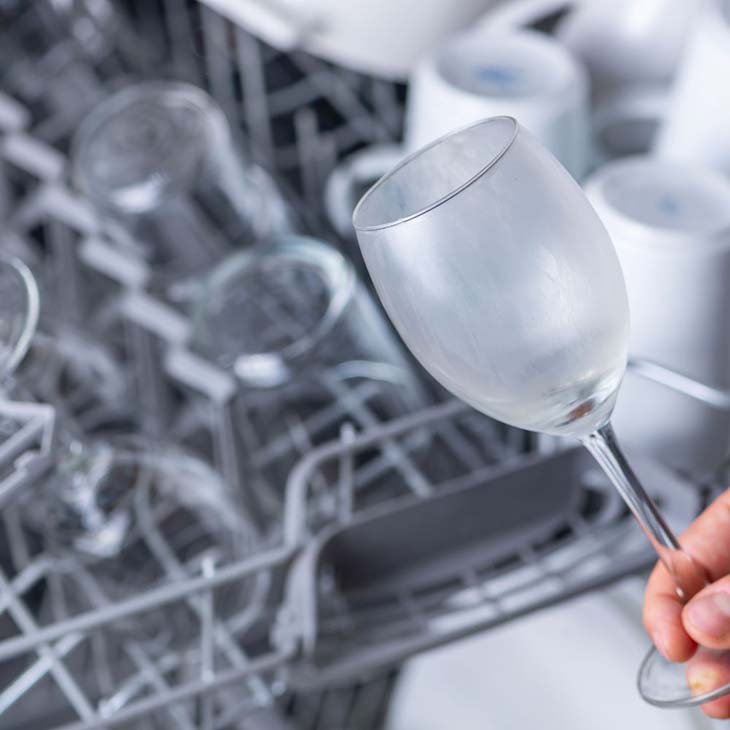
Over time, the glasses can become dull and lose their former shine. A kind of white patina appears, which changes the clarity and shine of the films.

Traces of limescale and corrosion are the main causes of this white gauze, which is designed for verreries. If you decide to use a washing machine or a main washing machine, these tweezers will have a hard time washing.

Here are some great tricks that help eliminate stubborn scratches and break the shiny glass.

Do you want to offer your guests a drink, but your glasses seem dull and lackluster? Don’t worry, there are solutions to get rid of white spots on the lenses.

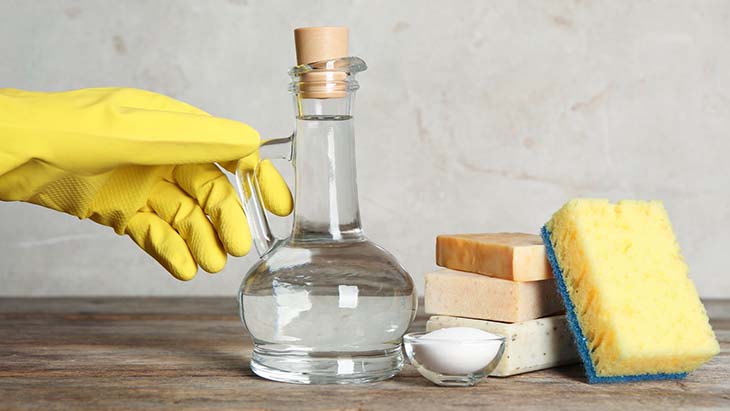
To wipe the windows and make them shine, proven cleaning products include black soap, dishwashing liquid, lemon juice and even alcohol vinegar. But what about frosted glasses that have lost their shine?

Focus on the best tips for cleaning lenses and removing unwanted stains.

3 Great Tricks to Remove White Patina from Glass
To peel, clean or remove glass, these 3 methods are very effective:

Baking Soda:


see continues on thenext page

[page] 


Baking soda is a multifunctional product that covers different surfaces in the house. Used to remove clothes, clean the refrigerator, clean toilets or remove grease stains from the four legs, pots and pans, this product is essential for an ecological nettoyage.

In its case, it can have bleaching properties and is very effective in removing dirt and stains from wooden furniture, carpets, clothes or verrerie. To use it, mix baking soda with a little water to obtain a light consistency.

Then you have to spread it inside and outside the glasses and let it spin for 10 minutes. Then use a soft gas to gently scrub the surface without rays or protect films.

Finally, rinse with clean water and use a dry gauze to rinse and remove any limescale deposits.

White vinegar:

White vinegar is an ECOLOGICAL product that everyone is talking about now. Thanks to its disinfecting, anti-limescale, deodorizing and sanitizing properties, this ingredient is a cleaning agent that perfectly replaces bleach.

Indeed, it allows for optimal handling without the use of chemicals harmful to the environment. To start cleaning the glass, use a gauze soaked in white vinegar and gently wipe the outside and inside of the glass.


Discover more
Chemicals Industry
Alcoholic Beverages
Chemistry


Leave the product to mix for 2 minutes after rinsing the water, before letting the glasses dry from the water.

This technique includes three redoutable bleaching agents. The Marseille flavor is 100% natural and has strong degrading properties.

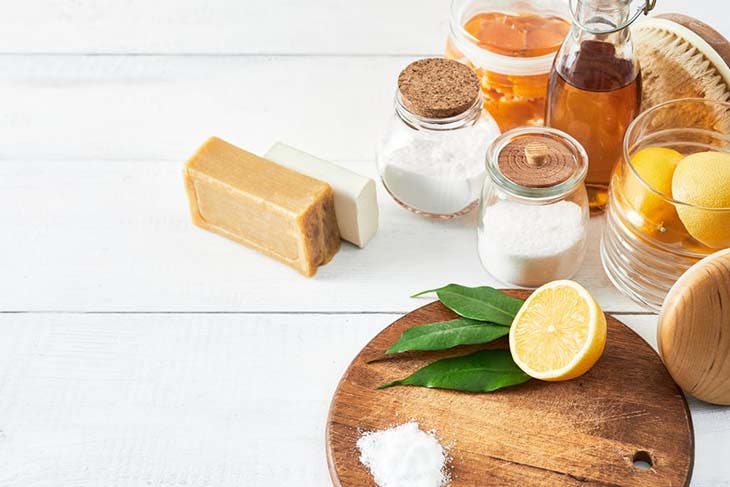
In addition, it allows you to thoroughly clean different surfaces and remove the most stubborn residues. Lemon juice contains citric acid and allows you to disinfect, clean and shine the entire home.

Pour nettoyer vos verres, pour 3 liters of water into a container of two cuillères savon de Marseille liquide, verre white vinegar and verre lemon juice.

Mix everything, then immerse the glasses in this bowl and leave for less than 12 hours. After this time, rinse the lenses and dry them with a microfiber cloth.

In addition, to avoid white marks on the glass, consider cleaning regularly and start washing clothes and immediately dry the glass with a dry gauze after each wash.